
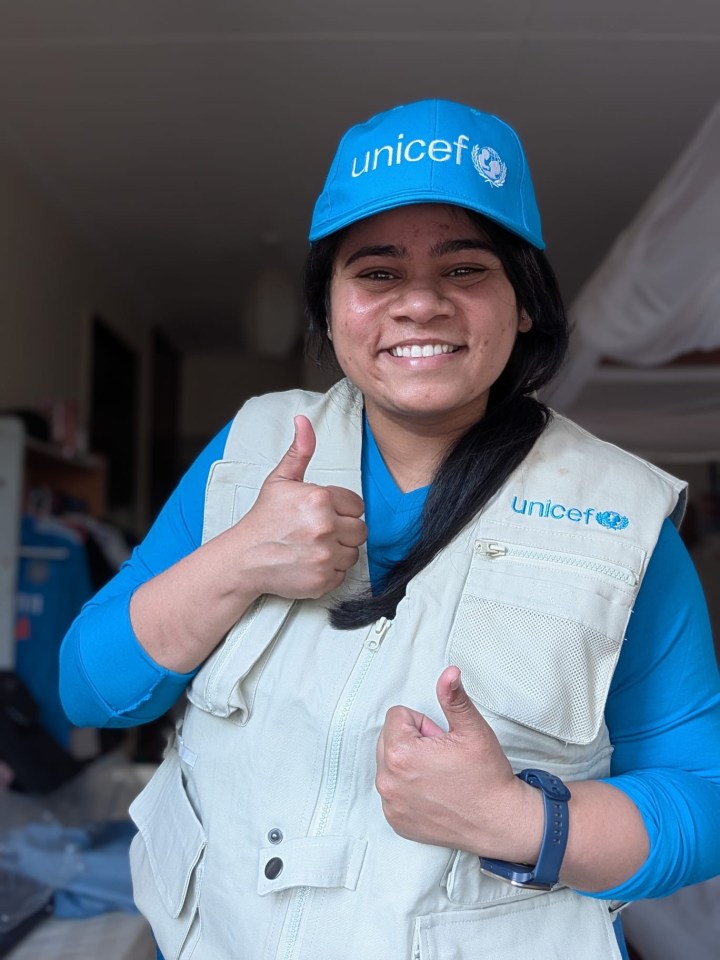
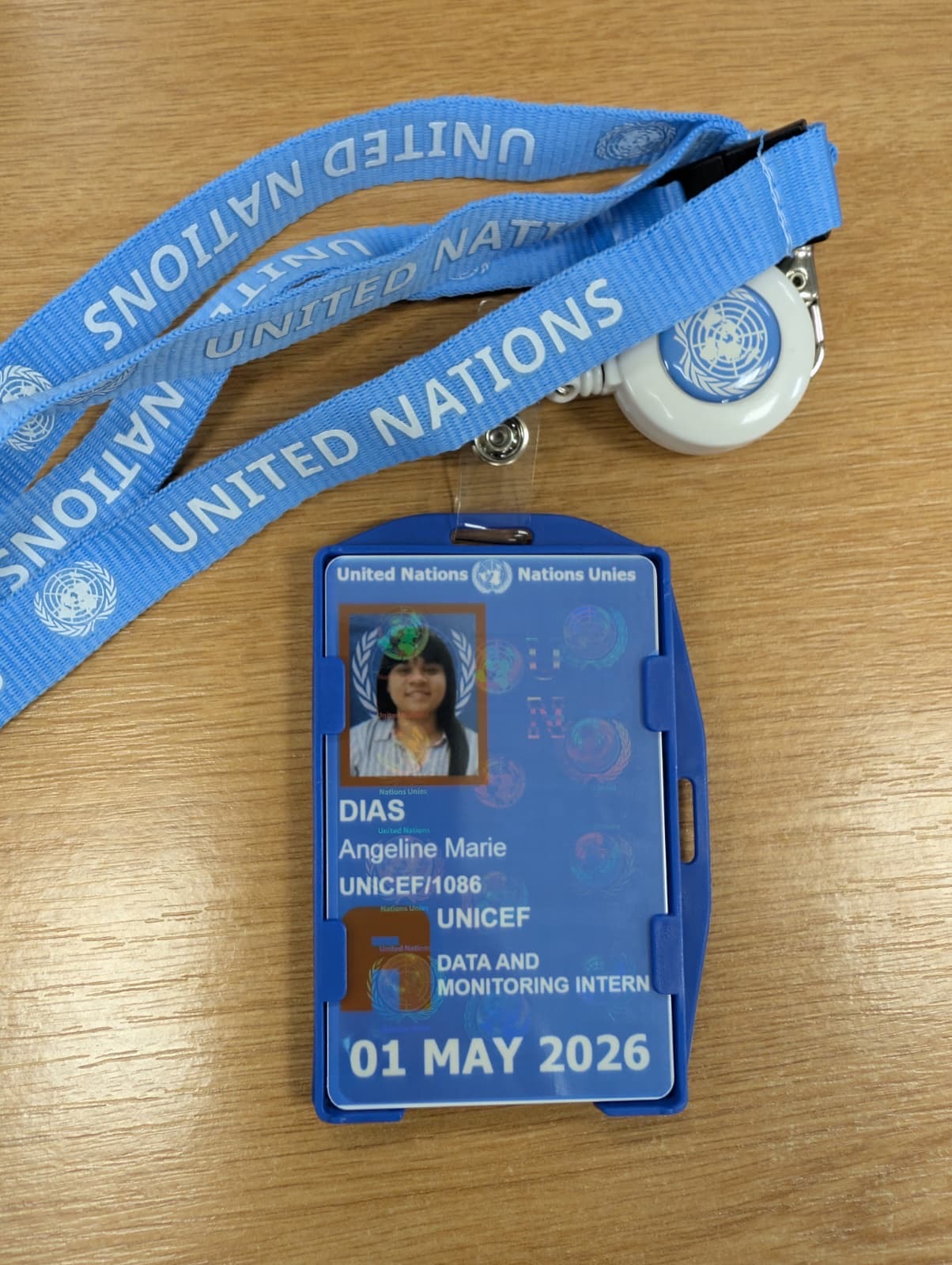
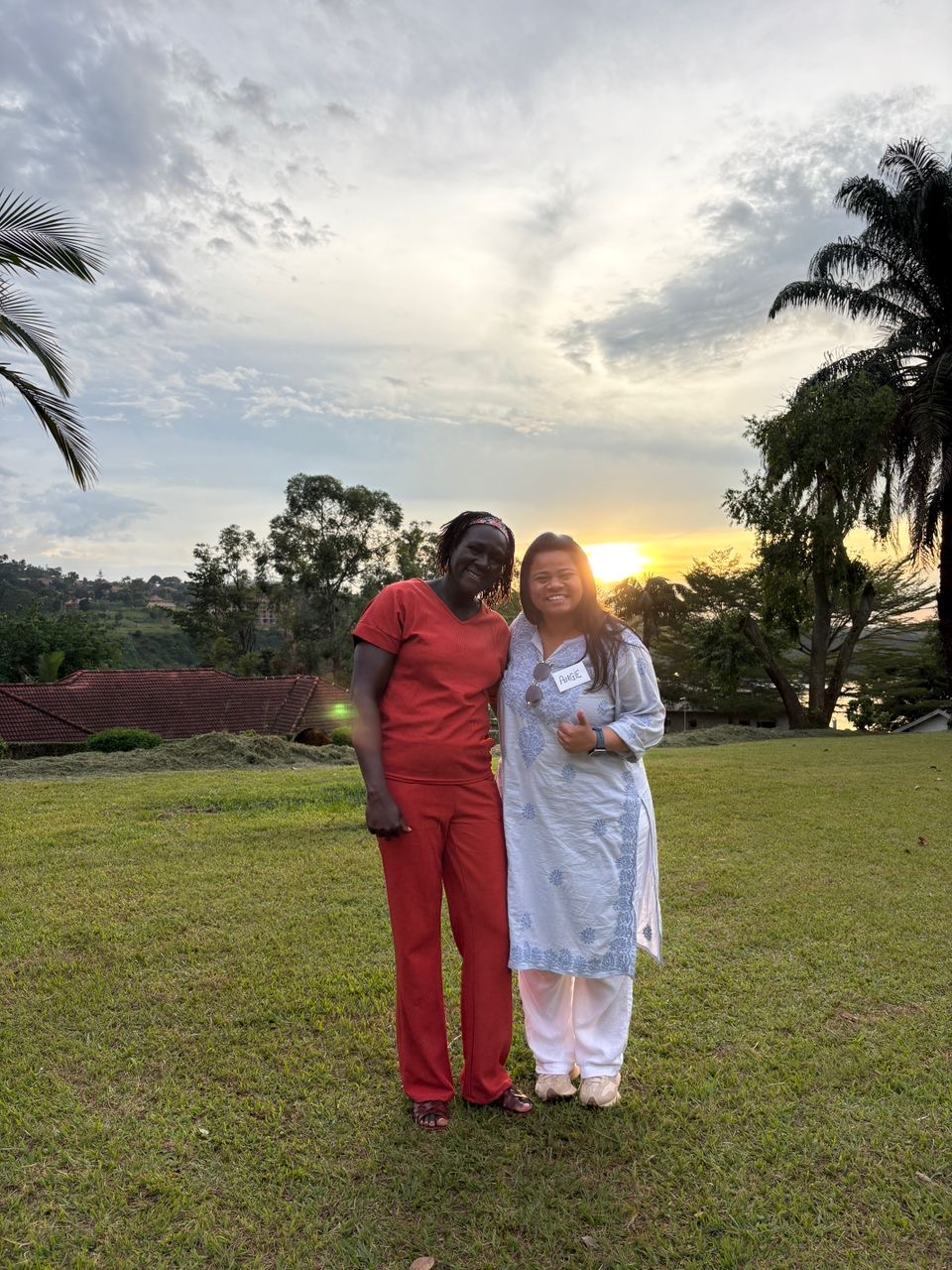
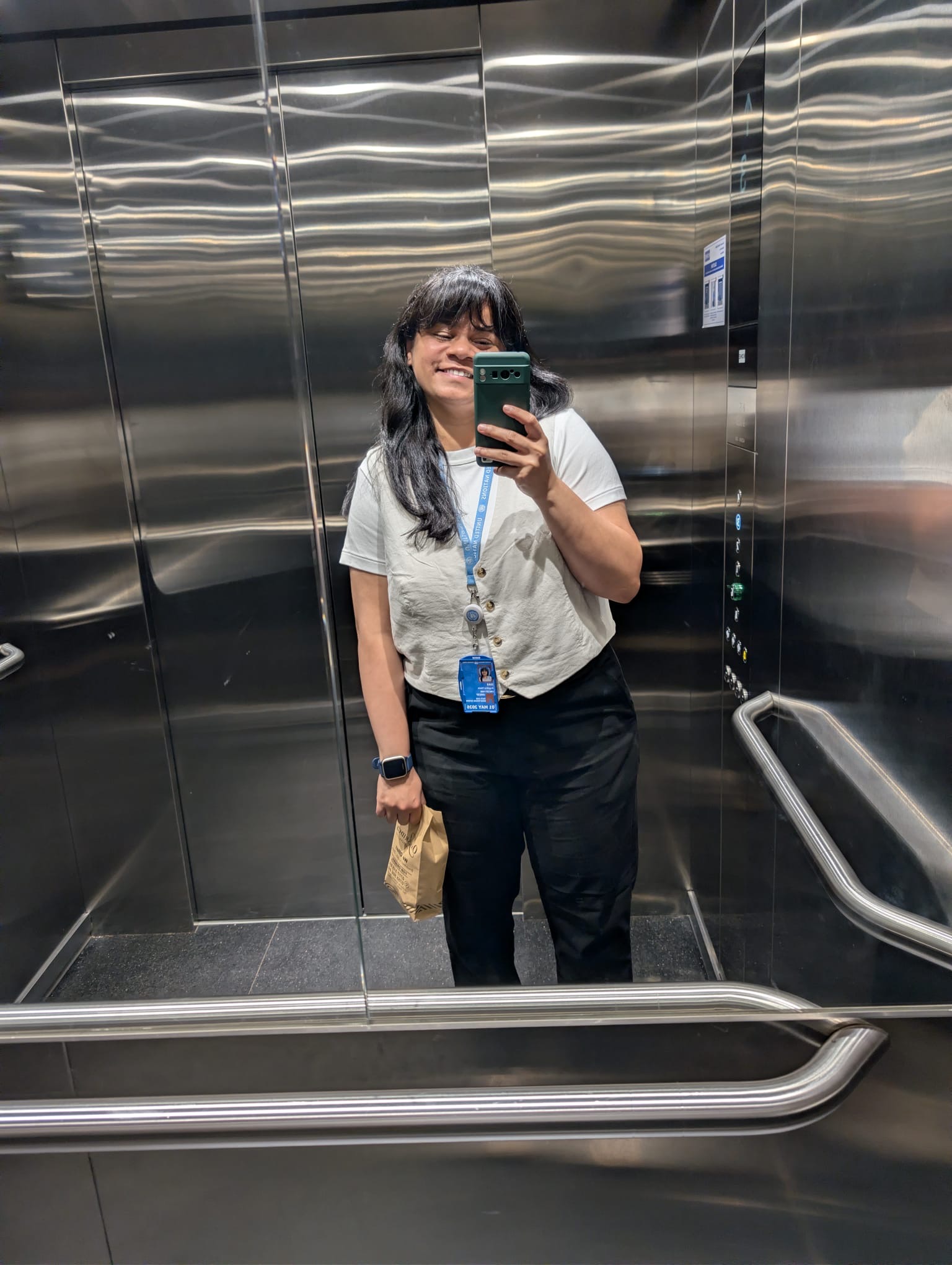
This past month, I caught up with my dear friend and second-year IEDP student, Angeline (Angie) Dias to hear more about her internship experience in real-time. It all felt very full-circle because I vividly remember the exact moment in the fall when she first told me where she would be going for her internship. And here we are — flash forward five months later, and Angie is over 7,000 miles away from Philly, working as the Data and Monitoring Intern at UNICEF Uganda in Kampala, Uganda. Needless to say, I have loved learning about her experience and just hearing her honest reflections in real-time. For those of you just about to embark on your internships or will be doing so in the near future, I hope you find this snapshot of my conversation with Angie to be helpful!
Starting from the very beginning: Internship Recruitment Process
From the very start of the internship recruitment process in Fall 2025, Angie sought out to be as open as possible to new experiences that would come her way. With that being said, she did share some broad preferences with Dr. Ameena Ghaffar-Kucher. Regionally, Angie was particularly interested in working in East Africa or South Asia and perhaps for an international or national organization. Regarding topics, she shared a plethora of interests, but towards the top of the list was monitoring and evaluation, an area that felt newer to her compared to program implementation or curriculum development. In the end, it all worked out — after an interview with the manager of UNICEF Uganda’s Learning and Skilling team, Angie was accepted to join the team as the Data and Monitoring Intern.
In the short few weeks prior to her departure to Kampala, Angie did all she could to prepare. Although no former IEDP students had interned specifically at UNICEF Uganda, she was able to speak to friends who had worked in Uganda more broadly. Most importantly, Angie read, read, and read: “I read up everything about Uganda, like literally everything because that sort of orientation was important for me, just in terms of like when did Uganda get independence, who did they get independence from (later found out that they were a protectorate vs a colony), what’s the population like, what are the common religions and languages, what is the local food like, etc.”
The Arrival: Landing in Kampala
Upon her arrival in Kampala, Angie admits that she was overwhelmed by so many emotions. For starters, when she left Philly, there had been a snow blizzard so the change in temperature from below freezing to extremely warm felt drastic. And although she had done as much research as possible, it was her first time not just in Uganda but also on the African continent.
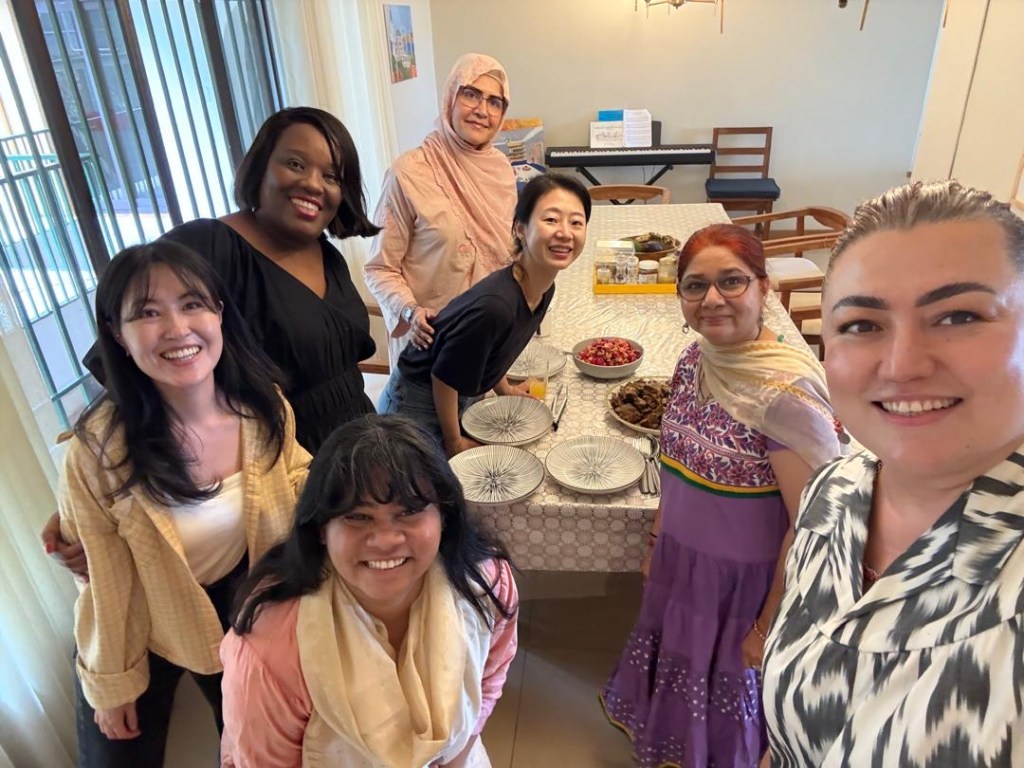
For Angie, the initial few days in Kampala were particularly challenging due to unforeseen circumstances with her living situation. But eventually by her third and fourth day, she managed to figure it out — finding a much more comfortable living situation and even starting to make new friends. And as she told me, “Right from these moments on day four, I really realized that people are super kind, and nice. Everyone has been super helpful. From then onwards, suddenly there was a light bulb and everything has been great. Things have just been uphill since then!”
Officially Joining the UNICEF Uganda Learning and Skilling Team
When I asked Angie about her initial impressions of work, she immediately shared that her colleagues were so kind and helpful. Most importantly, her colleagues have always treated her as a member of the team. As Angie shares with a tint of humor in her voice, “when people think of an intern, they imagine someone sitting around free all the time. I’m actually never free. So that’s been really nice too!”
One major project Angie has been working on is collaborating with her supervisor to use Activity Info (a big database used by UNICEF offices) for the program called Accelerated Education Program to aggregate implementing partners’ 2025 data on areas such as girls’ enrollment and refugee children’s enrollment in schools. From there, she works with the data to analyze and pull results from it. Another project she has been supporting is School Grants, a program that allows government schools to access grants and resources to support girls’ enrollment. For this project, Angie has been consolidating the budgets for 140 schools in 7 whole districts, and then putting it together. During the consolidation process, she realized that the manual process wasn’t working as well as they had hoped so she is actually working with a tech company to design an MIS system that will enable the consolidation process to be far more efficient. Beyond these two core projects, Angie also helps lead evidence cafes which is a simple practice to bridge the gap between research and practice at weekly team meetings. During these sessions, she brings in a new piece of evidence on education, and together with her colleagues delve deeply into what this means for Uganda and more specifically, UNICEF Uganda’s programs. Upon reflecting on her work, she shares that her supervisor has been “super encouraging because she is letting me lead the way.”
Key Takeaways and Reflections
As Angie’s time in Kampala comes to a close, I wanted to make sure that she had an opportunity to share some key takeaways and reflections directly from her own words:
- Importance of monitoring, evaluation, and analysis: “I wish people talked about monitoring, evaluation, and analysis a lot more because a lot of the time, we implement programs but don’t really know where we stand with it. Were we successful? Were we not? And also you generally think about monitoring and evaluation after a program but I’ve realized that if it’s not talked about before, you actually don’t know where you’re headed. I always knew and believed that but now I am actually seeing it.”
- Value of Dr. Amrit Thapa’s Principles of Monitoring and Evaluation, and Advanced Monitoring and Evaluation courses in the IEDP: “I feel like the Principles of Monitoring and Evaluation, and Advanced Monitoring and Evaluation courses really, really helped…when I say that, I don’t just mean tools like Stata and Excel, but also the orientation of how you think when it comes to numbers and what does that mean for a program and how do you convert those numbers to meaningful outcomes and stories.”
- Communicate, communicate, communicate: “No matter if you have 0 years of experience or 10 years of experience, you have to help your supervisors understand what you do and don’t know, especially in the first one to two weeks of work. And then continue to build that relationship with your supervisor … that really helped me because then she trusted me to take the lead on assigned projects I was interested in throughout the internship.”
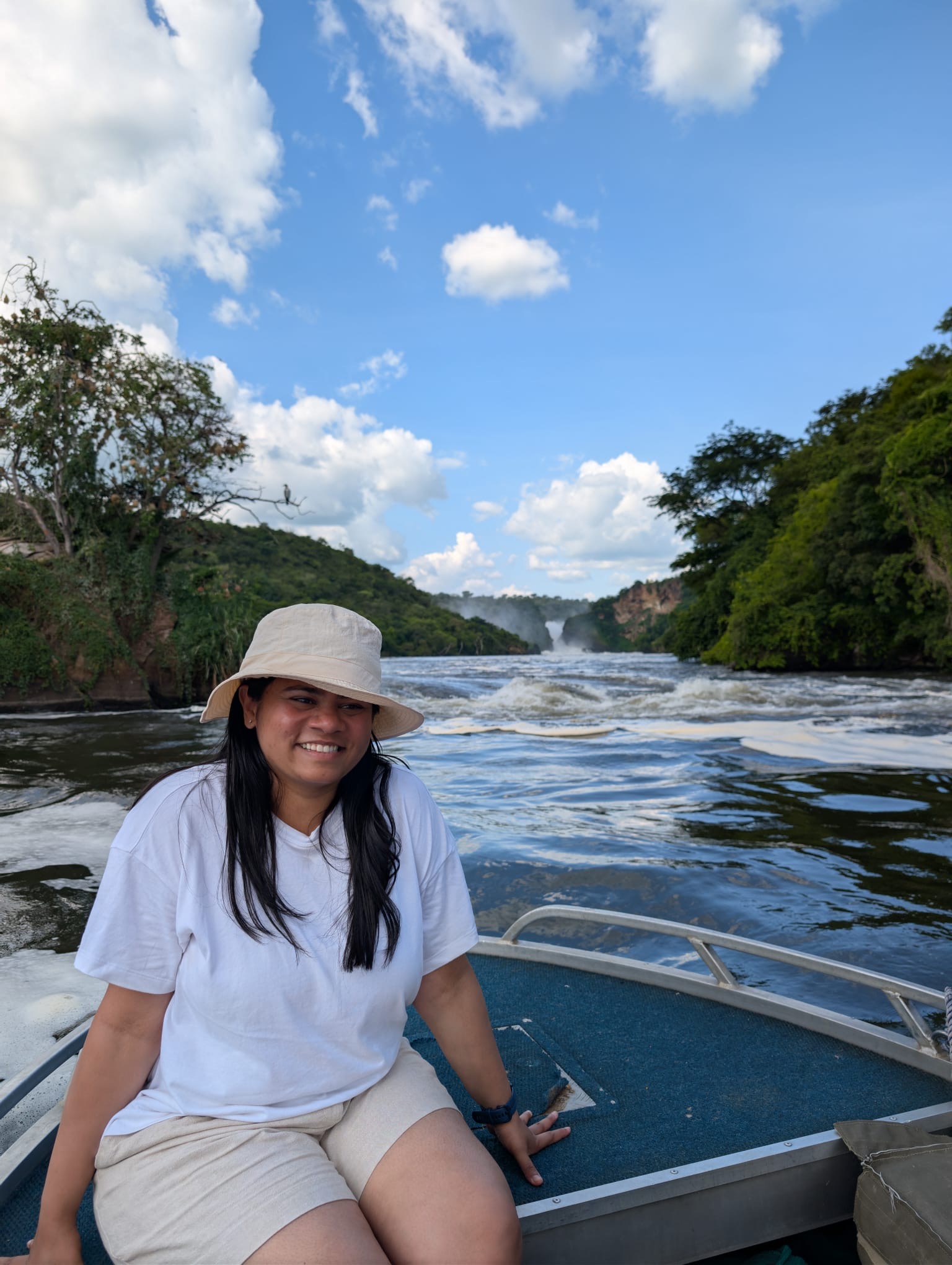
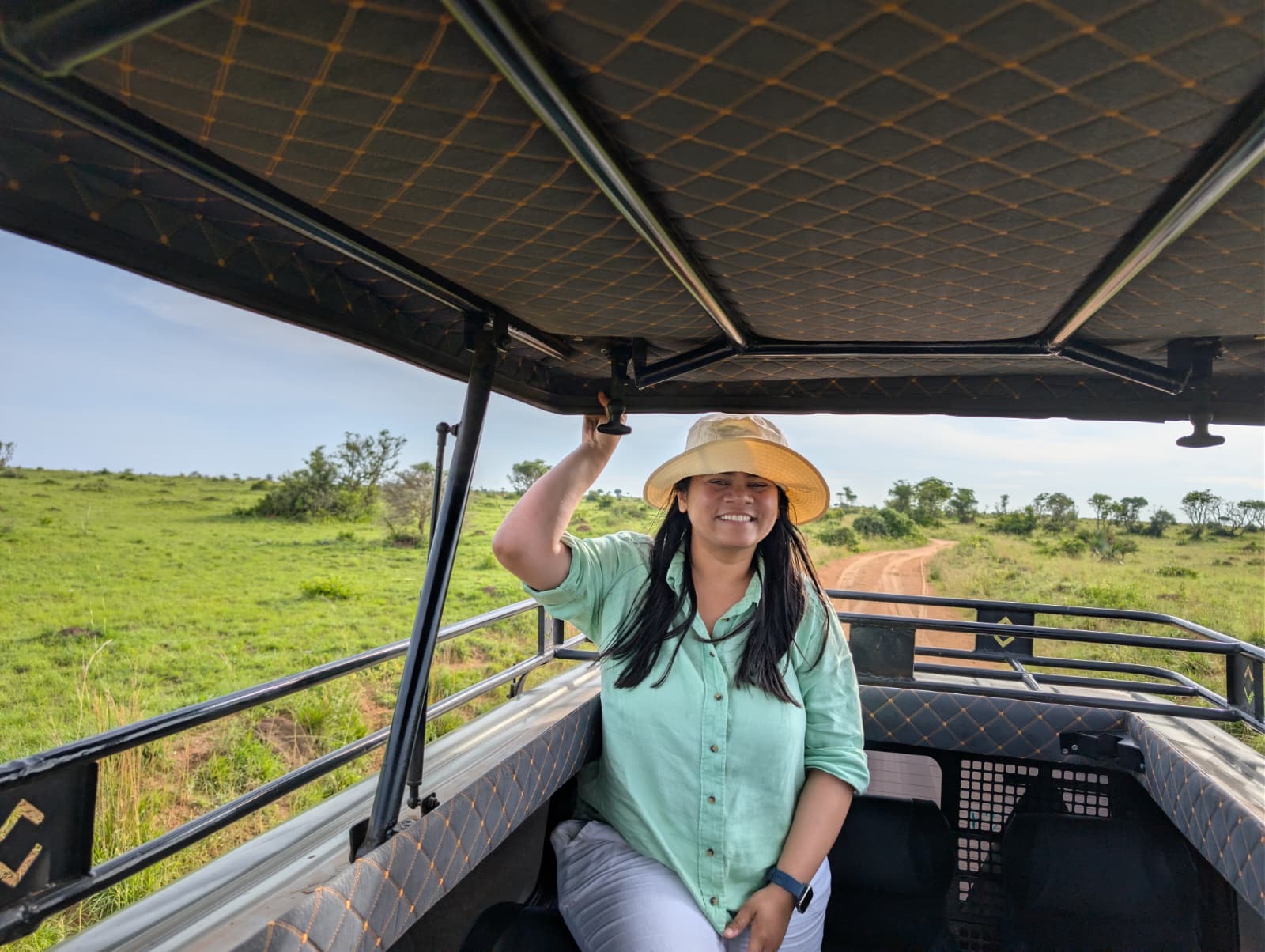
In her remaining time as the Data and Monitoring Intern for UNICEF Uganda, Angie is looking forward to finishing up the projects she has been working hard on, continue growing her confidence in monitoring and evaluation, and just as importantly, savor all the beauty that Uganda has to offer.




wish you all the very best for long waited your graduation which dreams come true God bless and have a wonderful day as a new achievement in your career I am very proud of you and making everyone proud too.💐💞🥂
LikeLike