For more insight into recent internships, I spoke with Joy, Bin, Sveta, and Chippie, who all interned in Sub-Saharan Africa. Join them as they share their unique experiences beyond the United States in this blog and the next.
Bin – UNESCO IIEP, Dakar, Senegal

In the fall semester of 2024, I went to Senegal for an internship at UNESCO IIEP. Having already lived in Senegal for four years, I was more curious about the work at UNESCO than the region itself. I was also excited at the thought of reconnecting with the friends I had left behind when I departed Senegal in July 2022.
Although it was an unpaid internship, I was able to cover my flight and living expenses with a scholarship from IEDP.
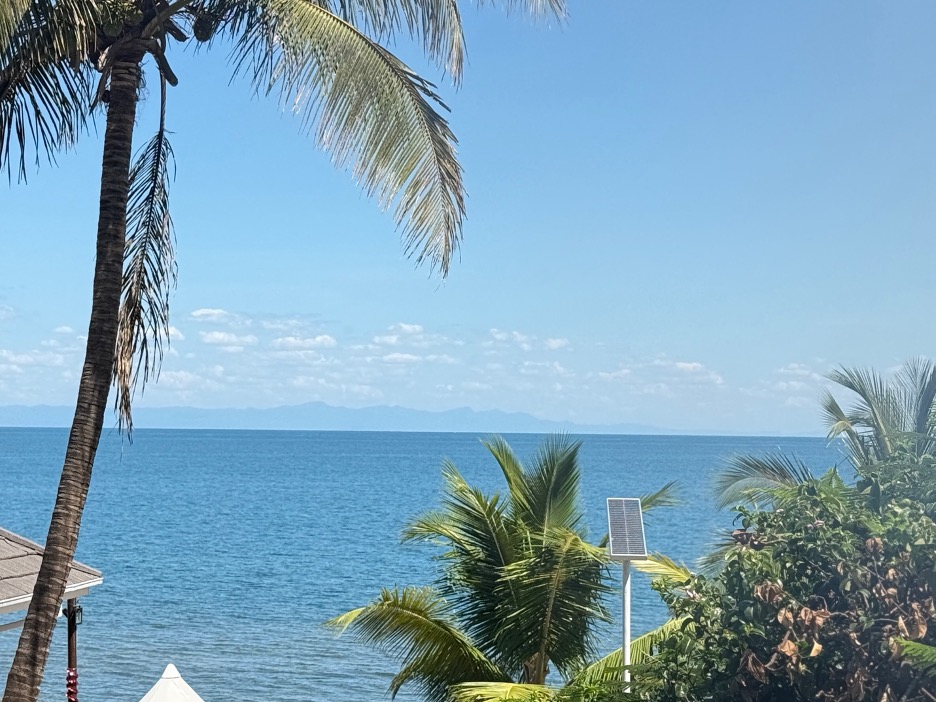
In Dakar, where the cost of living is high, I stayed at the home of a longtime friend. During my visit to Senegal after two years, I noticed that more high-rise buildings had been built and that the traffic congestion seemed even worse. Despite this, the coral-blue sea was still as beautiful as ever.
My internship consisted of working from 9 AM to 5 PM, Monday to Friday, and our office was part of a hotel near the beach in Ngor. During lunchtime, I could go up to the terrace to enjoy the sea view while eating the lunch I had brought from home. My main task at UNESCO was to contribute to the Education Sector Analysis (ESA) for São Tomé and Príncipe. I learned that each ESA published by countries follows a specific guidebook. I started with a literature review, moved on to data compilation, and finally completed the task of organizing enrollment, dropout rates, and completion rates by department for Technical Vocational Education and Training (TVET) schools and higher education institutions over the past 10 years. Although São Tomé and Príncipe publish statistical data every year, the names of departments change slightly each year, and there was no comprehensive compilation of the data. As a result, the Ministry of Education of São Tomé and Príncipe was very pleased with the data I provided.
In addition, we used Stata to review Out-of-School student data from MICS to compare the updated methodology, and analyze the data. Being able to use Stata, which I had learned at IEDP, helped me bridge the gap between academic knowledge and practical application.
I can speak French, the official language of Senegal, but my Portuguese, the official language of São Tomé and Príncipe, is at a very basic level, which made things quite challenging. I participated in a meeting conducted in Portuguese with the Ministry of Education of São Tomé and Príncipe and was responsible for writing the meeting minutes in Portuguese. I remember feeling very proud when I successfully completed the minutes after the meeting.
Outside of work, I was able to enjoy surfing, a pastime I have always loved in Senegal. Although I hadn’t surfed for two years, my surfing instructor was delighted and said I had made great progress, especially when I impressively rode long waves. On weekends, I sometimes spent time at a friend’s villa in Saly, a suburb of Dakar, fully enjoying the seaside city.



Chippie – JBJ Foundation, Malawi
Reflections on a Transformative Internship in Malawi
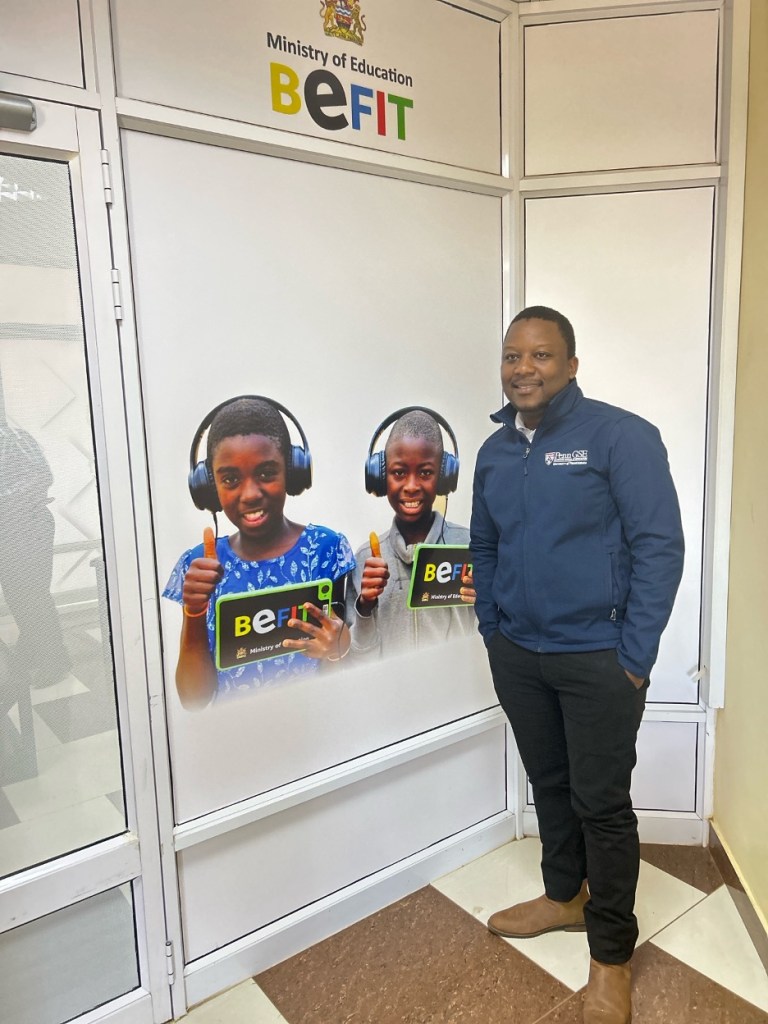
Embarking on a six-month internship in Malawi, my home country, marked a pivotal chapter in my academic and professional journey. Through the partnership between Penn GSE and the JBJ Foundation, I had the opportunity to contribute to two important programs: the Ministry of Education’s Building Education Foundations through Innovation and Technology (BEFIT) initiative and the MoGCDSW’s Mwana Project. The internship not only honed my technical skills but also provided profound insights into the complexities of international development.
Advancing Foundational Learning through BEFIT
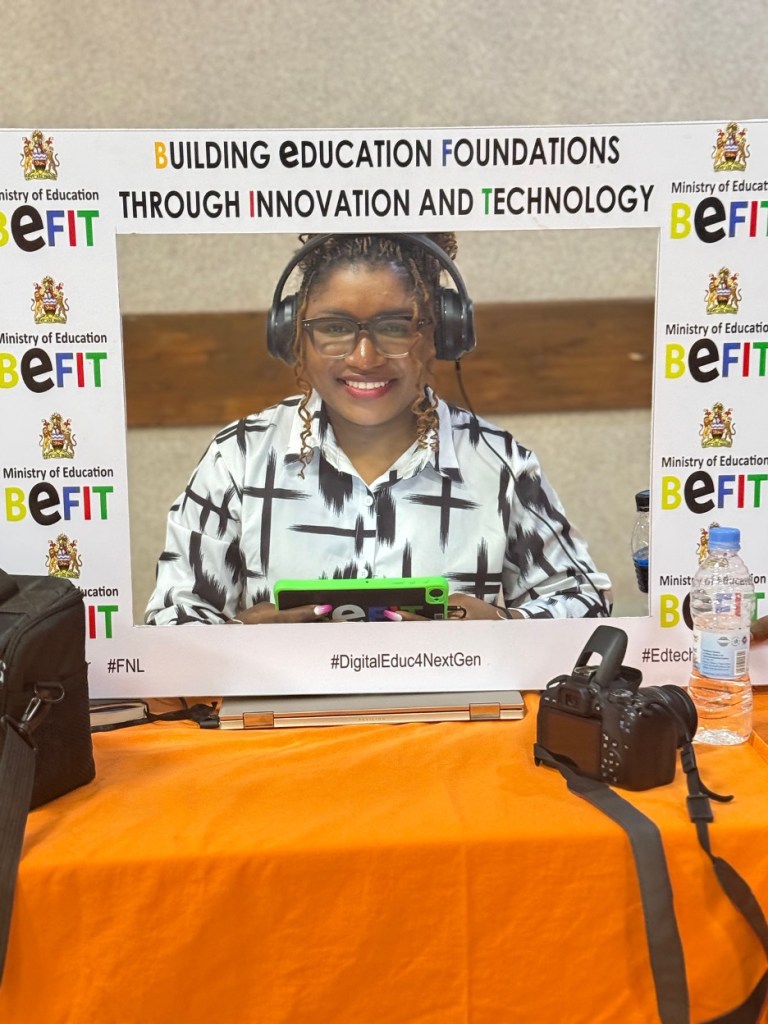
The BEFIT program is a groundbreaking educational technology intervention aimed at enhancing foundational literacy and numeracy skills for approximately 3.8 million children in classes 1-4 across 6,000 public primary schools by 2029. My primary role as a Communications and Administrative Intern placed me at the heart of the program’s implementation. I collaborated with the Information, Communication, and Technology (ICT), and the Capacity Building and Professional Development teams, evaluating training materials and monitoring teacher training sessions across various districts. Witnessing the transformative power of tablet-based learning firsthand reaffirmed the program’s potential to revolutionize early-grade education in Malawi. A significant highlight was co-creating the BEFIT Communications and Community Engagement Strategy, which serves as a strategic guide for enhancing program visibility and fostering community ownership. Additionally, organizing media engagement meetings across Malawi’s four regions underscored the critical role of media in promoting educational interventions. I also worked with the Monitoring, Evaluation, Adaptation, Research, and Learning team, where we created survey instruments for data collection in the field.
Empowering Caregivers through the Mwana Project
Complementing my work with BEFIT, I contributed to the Mwana (meaning “toddler”) project, a radio-based campaign promoting early childhood stimulation practices among caregivers of children under three years old. I pretested radio messages through focus group discussions and conducted follow-up exercises to evaluate caregivers’ attitudes and behavioral changes. This experience deepened my appreciation for the power of media in influencing community practices and improving child development outcomes.
A Transformative Experience
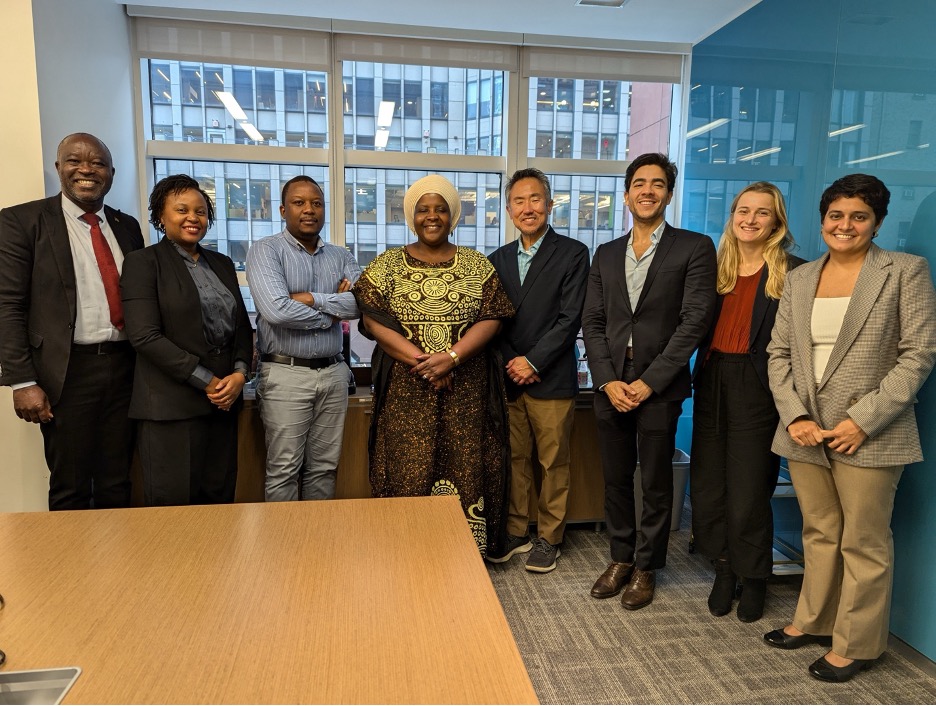
The internship was not only professionally enriching but also personally transformative. It provided me with the opportunity to interact with a wide range of stakeholders, including government officials, local and international non-governmental organizations, and community members, resulting in long-term professional networks. Attending conferences alongside the United Nations General Assembly in New York, courtesy of the JBJ Foundation, broadened my perspective on global development challenges and opportunities.
As I reflect on this journey, I am filled with gratitude for the skills, knowledge, and networks gained. This experience has reinforced my commitment to building resilient education systems and prepared me to contribute meaningfully to the international development sector in the years to come.

 The International Educational Development Program